Indoor Air Quality and Employee Wellness
Mass Janitorial
Concord, MA · in business since 2010
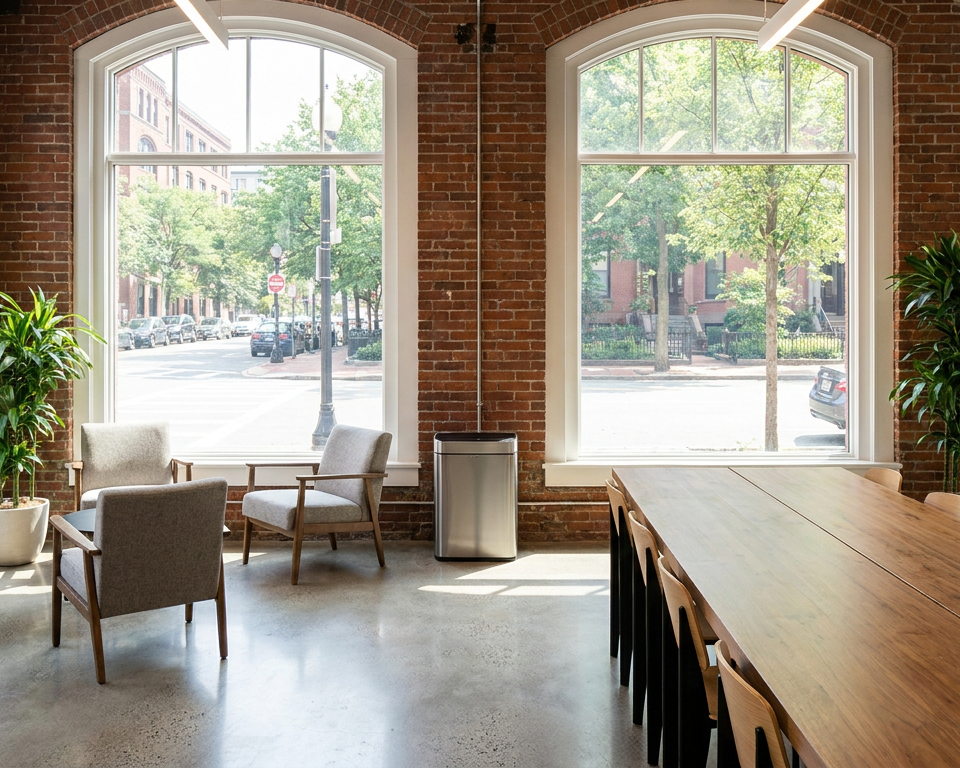
On a damp Monday morning in Concord, you unlock the office, flick on the lights, and can tell how the place feels before anyone says a word. The conference room is a little stuffy from Friday afternoon, the break room trash has a smell that hung around all weekend, and there is already a fine layer of dust settling near the front desk where people will start coming through in half an hour. Nobody walks in and announces that the indoor air quality is off, but they feel it. The room feels tired before the day even starts, and that affects people more than most business owners realize.
That is where employee wellness stops being an abstract idea and turns into something practical. If your team spends eight or nine hours a day inside, the condition of that space matters just as much as the chairs, the lighting, or the coffee in the kitchen. Dust, tracked-in debris, dirty carpets, neglected vents, and damp restroom or break room surfaces all add up over time, and not in a good way. People may describe it as allergies, headaches, stale air, or just feeling run down by midafternoon. They usually do not blame the building directly, but the building often has a lot to do with it.
We see this all the time in offices around Concord, Acton, Bedford, Lexington, Lincoln, Maynard, Sudbury, Weston, and the surrounding Middlesex County towns. A business owner calls because the place never quite feels clean, even though the trash is getting emptied and the obvious mess is under control. When we walk through with them, the problem is usually not one big dramatic issue. It is the slow buildup on horizontal surfaces, the dust caught in carpet fibers, the fingerprints and residue on shared touchpoints, and the break room and restroom areas that are technically cleaned but not cleaned thoroughly enough to stay fresh.
That distinction matters, because indoor air quality is not just about the HVAC system. Your filters and ventilation matter, of course, but what settles on desks, baseboards, floors, upholstered chairs, and common-area surfaces does not stay put forever. Every time someone walks down the hallway, pulls out a chair, or drops a bag by their desk, some of that dust and debris gets stirred back into the air. That is one reason a room can look decent at first glance and still feel stale by noon. Professional cleaning helps by removing the material that keeps getting recirculated, instead of just moving it around.
We approach that work in a pretty straightforward way. Our crews clean in the evening, typically between 5 PM and 10 PM, when your staff is gone and we can get into the details without working around meetings and foot traffic. We work month to month, and we price by the job rather than by the hour, because most business owners want a clear scope and a consistent result, not a clock running in the background. That schedule also helps with air quality in a simple practical sense: the dusting, vacuuming, wiping, and restroom and break room cleaning get done before the next business day begins, so your team walks into a reset space instead of yesterday's leftovers.
A lot of people think of cleaning as mainly cosmetic, and to be fair, appearance is part of it. But once you start looking at employee wellness, the bigger benefit is consistency. A clean floor reduces the grit that gets tracked everywhere else. A properly maintained restroom cuts down on lingering moisture and odor. A break room that is wiped down and emptied the right way does not become the source of that sour smell drifting into the hallway by Thursday. These are small things on their own, but when they are handled consistently, the whole workplace feels lighter, fresher, and easier to be in.
What professional cleaning actually changes
The biggest change is that a professional crew works from a system, not from memory or convenience. In a typical office, that means attention to the surfaces people notice right away and the ones they do not. We are looking at dust on ledges and sills, debris along edges and corners, buildup in restrooms, touchpoints in shared spaces, and the places where traffic quietly leaves its mark day after day. When those areas are neglected, the space starts to hold onto odors and dust; when they are cleaned thoroughly on a recurring schedule, the workplace tends to feel better across the board.
That is especially important in offices with 10 to 30 employees, which is where many of our clients are. At that size, people share kitchens, conference rooms, restrooms, and entryways all day long, and the office does not stay static for very long. Someone is always reheating lunch, meeting with a client, bringing in deliveries, or running in from the parking lot with whatever the weather tracked in. In New England, that can mean salt and sand in the winter, pollen in the spring, and humidity that seems to settle into carpet and upholstery in the summer. A recurring cleaning plan helps keep those seasonal issues from becoming part of the normal atmosphere indoors.
Medical offices feel this even more strongly, for obvious reasons. In those spaces, cleanliness supports not just appearance and comfort but the routines people depend on to feel safe and cared for. We follow HIPAA-aligned protocols where needed, and we pay close attention to shared surfaces and patient-facing areas so the office feels orderly and well-kept from the moment someone walks in. That does not replace good ventilation or clinical procedures, but it absolutely supports a healthier indoor environment and a better day-to-day experience for staff and patients alike.
The same principle applies in retail stores, houses of worship, and post-construction cleanup work, just in slightly different ways. A retail space with dusty shelves and a stale fitting room does not feel welcoming. A house of worship that carries old odors and tracked-in debris never quite feels settled. A newly finished space after construction can look done while still holding fine dust in corners, on surfaces, and in the air. In every case, proper cleaning helps remove what would otherwise linger and keep affecting how the space feels to the people using it.
There is also a business case here that has nothing to do with buzzwords. When employees feel comfortable in the space, they tend to complain less, focus better, and take more pride in where they work. You may not be able to draw a straight line from a cleaner break room to productivity on a spreadsheet, but you can usually tell when a workplace is helping people along versus wearing them down. Owners and office managers notice it. So do clients and tenants.
For that reason, the right cleaning partner should make things simpler, not more complicated. You want a crew that shows up reliably, works carefully, and understands the rhythms of a suburban Massachusetts business without overselling the science of it. Good cleaning supports indoor air quality by reducing the dust, debris, residue, and odor sources that build up in a space over time. It is not magic, and it is not a substitute for building maintenance, but it is one of the most practical things you can do to make the workplace feel healthier.
If that Monday morning feeling has become familiar in your office — the stale conference room, the break room smell, the sense that the air feels used before the day has really started — it may be time to take a fresh look at the space. That is usually how these conversations begin for us: one walkthrough, one honest look at what is building up, and one practical plan for getting ahead of it. If you are in Concord or the surrounding Middlesex County towns, we are happy to stop by for a free walkthrough and talk through what would make the biggest difference in your building.
More in this category
- Office Floor Care: VCT, Wood, or Stone?
VCT, hardwood, and stone floors do not respond to the same cleaning routine. This guide walks Concord-area business owners through what each surface needs, what commonly goes wrong, and how a practical maintenance plan helps floors last longer and look better.
- Green Cleaning for Offices in 2026
Green cleaning in 2026 is less about marketing claims and more about using the right EPA-registered products in the right places. Here’s how Concord-area offices can balance lower-odor daily cleaning with proper disinfection that holds up in the real world.
- Reducing Allergens in New England Buildings
Allergen reduction in a New England commercial building is less about one deep clean and more about steady habits that match the season. This post walks through the practical steps that help offices and shared spaces in the Concord, MA area feel cleaner and more comfortable day after day.
Want this handled at your facility?
Start with a free walkthrough. Same business day reply. No obligation.