OSHA Hygiene Standards for MA Businesses
Mass Janitorial
Concord, MA · in business since 2010
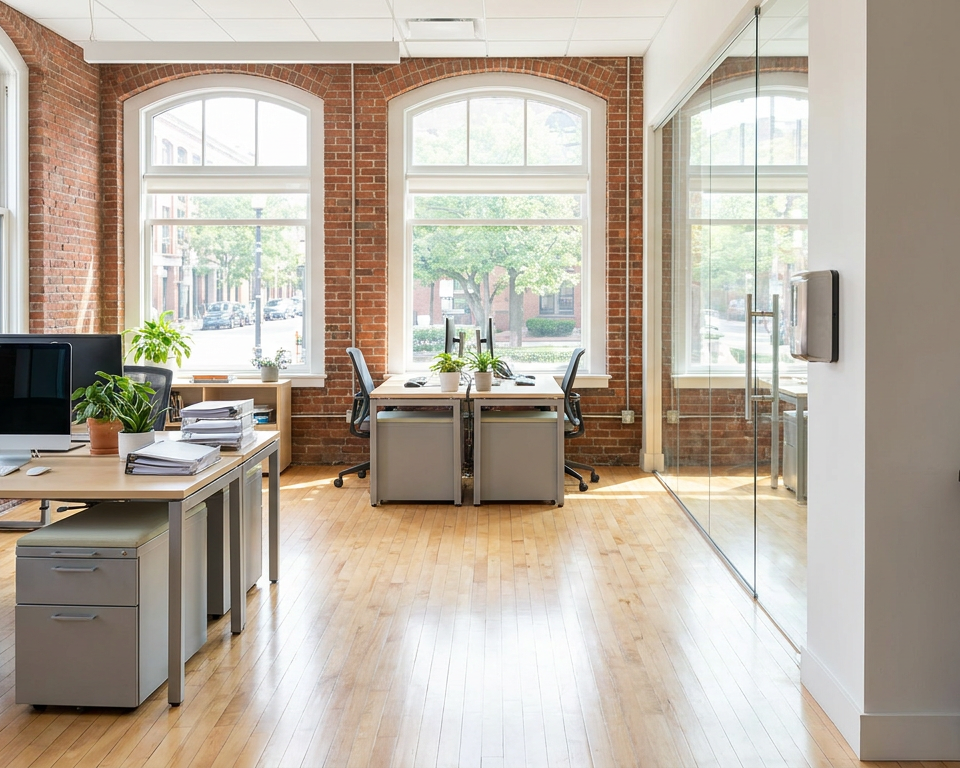
You can tell a lot about a workplace by walking in at 8:15 on a Monday. The front mat is holding half the parking lot, there are coffee rings on the break room counter from Friday, and someone has already noticed the restroom soap dispenser is empty before the first patient, client, or tenant even arrives. Around Concord, Acton, Bedford, and Lexington, most business owners we talk with are not trying to run a hospital-grade operation in a regular office, but they do want a workplace that feels orderly, safe, and taken care of. That is usually where the conversation about OSHA starts, not with a regulation binder, but with a simple question: what are we actually responsible for when it comes to workplace hygiene?
The short answer is that OSHA expects employers to provide a workplace free from recognized hazards, and hygiene is part of that picture. In a standard office, retail space, or professional suite, that usually means clean and stocked restrooms, safe disposal of trash, attention to spills, and a reasonable cleaning routine that keeps everyday mess from becoming a health or safety problem. In a medical office, the expectations go further because bloodborne pathogens, contaminated surfaces, and privacy-sensitive workflows change the way cleaning has to be handled. Even when a rule is not written as a step-by-step cleaning checklist, the practical standard is pretty clear: if something in the workplace can create an avoidable risk, it needs to be addressed in a consistent way, not just when somebody complains.
That is where many Massachusetts businesses get tripped up, because they assume hygiene standards are mainly about deep cleaning or disinfecting everything all the time. They are not. In most workplaces, OSHA is less interested in whether the floor shines and more interested in whether the environment is sanitary enough to support safe daily operations. A restroom with no paper towels, a break room sink with old food buildup, an overflowing trash can by the rear exit, or a wet lobby floor on a snowy day can all become workplace issues pretty quickly. Cleanliness, in other words, is not cosmetic once it starts affecting health, safety, or basic employee welfare.
For business owners in the Concord, MA area, the practical question is how to turn that broad responsibility into a routine that people actually follow. We have found that the best approach is not complicated, but it does need to be consistent. Restrooms should be checked and fully serviced on a predictable schedule, with soap, paper goods, and touchpoints handled every visit. Break rooms need more than a quick wipe if you want to keep odors, germs, and employee frustration from building up over the course of a week. Entryways, shared desks, conference tables, and door handles do not always need heavy disinfecting, but they do need regular attention, especially during cold and flu season when one sick employee can knock half a small office sideways.
The same goes for the products and procedures you use. OSHA does not require magic in a spray bottle, but it does expect employers to use chemicals safely, train staff properly, and avoid creating new hazards while trying to solve old ones. That means cleaning products should be labeled clearly, handled according to their directions, and stored where they will not create a problem for employees or visitors. When disinfecting is called for, we stick with products aligned with the EPA's List N where appropriate and use them the way they are meant to be used, including proper dwell time. It sounds basic, and it is, but basic done correctly is what keeps a cleaning routine from becoming sloppy or performative.
Where regular offices and medical spaces part ways
This becomes even more important when you are talking about a medical or dental office, because OSHA's bloodborne pathogens rules make hygiene more than a general housekeeping issue. In those spaces, cleaning has to account for treatment rooms, high-touch clinical surfaces, waste handling, and the simple fact that a missed step can carry more risk than it would in a standard office. That does not mean every medical office needs a dramatic, all-day cleaning presence, but it does mean the crew needs to understand the environment they are working in. Our team handles medical office cleaning with HIPAA-aligned protocols and OSHA-trained practices because in a healthcare setting, privacy, consistency, and surface-specific cleaning all matter at the same time.
Even outside healthcare, there is a good lesson there for other businesses: the cleaning plan should match the space. A property manager in Bedford may need common area cleaning that keeps restrooms, entrances, and touchpoints under control across multiple tenants. A retail owner in Sudbury may care most about fitting rooms, front glass, and floors that stay presentable through weather and foot traffic. A house of worship in Lincoln may need careful weekly service around classrooms, gathering spaces, and restrooms without disrupting the rhythms of the building. The standard is not to clean every building the same way; the standard is to clean each building in a way that makes sense for how it is used.
That is also why we encourage owners not to judge a cleaning plan by hours alone. We price by the job, not by the hour, because the real question is what needs to be accomplished each visit for the space to stay sanitary and workable. A smaller office with a heavily used kitchenette and two restrooms can need more focused attention than a larger suite where people are rarely in the building at the same time. Most of our recurring work happens overnight between 5 PM and 10 PM, which lets us clean thoroughly without getting in your staff's way or creating the awkward dance of vacuum cords and visitors. Month-to-month service helps too, because businesses change, staffing changes, and a cleaning plan should be able to adjust with them.
Another point worth making is that documentation and communication matter more than owners sometimes realize. If employees are raising the same complaints about restroom supplies, odors, trash overflow, or unsanitary shared spaces, that is not just an annoyance; it is often a sign the current routine is too loose to support the workplace. A reliable cleaning partner should be able to explain what is being done, how often, and where the higher-risk areas are. Not in a puffed-up way. Just clearly enough that if an office manager in Maynard or Weston asks how the break room, restrooms, or touchpoints are being handled, there is a real answer.
In the end, most OSHA workplace hygiene issues do not begin with a dramatic violation. They begin with the small things everyone starts stepping around: the restroom that is almost stocked, the spill that gets a paper towel instead of a proper cleanup, the trash room smell that keeps getting worse, the exam room surface that somebody assumes somebody else handled. Monday morning is when all of that becomes visible. If you want a clear sense of whether your current setup is really supporting a safe, professional workplace, we are always happy to walk the space with you, talk through what OSHA expects in practical terms, and give you a straightforward plan that fits the way your building actually runs.
Sources & References
More in this category
- Medical Office Cleaning Done Right
Medical office cleaning is not the same as standard office cleaning. This post walks through HIPAA-aligned protocols, infection control habits, and what Concord-area practices should expect from an evening cleaning crew.
- Restroom Hygiene Standards for Medical & Dental Offices
Learn the critical 2025 hygiene standards for medical and dental restrooms. From OSHA compliance to touchless technology, ensure your Middlesex County practice remains safe and professional.
- Office Floor Care: VCT, Wood, or Stone?
VCT, hardwood, and stone floors do not respond to the same cleaning routine. This guide walks Concord-area business owners through what each surface needs, what commonly goes wrong, and how a practical maintenance plan helps floors last longer and look better.
Want this handled at your facility?
Start with a free walkthrough. Same business day reply. No obligation.