Medical Office Cleaning Done Right
Mass Janitorial
Concord, MA · in business since 2010
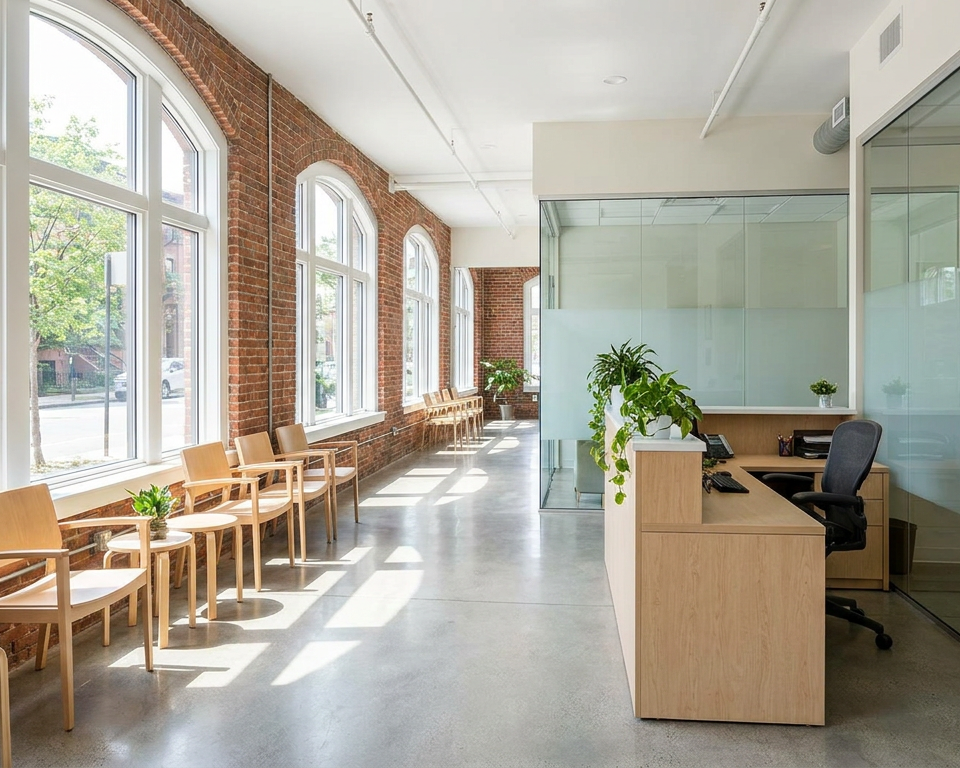
On a Tuesday morning in Concord, the first patients are already in the waiting room before the coffee in the break area has finished brewing, and that is usually when the practice manager notices what everyone else notices too. A smudge on the front door glass, a restroom that does not feel as fresh as it should, fingerprints on the check-in counter, a trash liner sitting a little crooked in an exam room. None of those things sounds dramatic on its own, but in a medical office, small misses have a way of feeling bigger than they would in a regular workplace. Patients are paying attention, staff members are moving fast, and the space has to communicate trust before anyone says a word. That is where medical office cleaning becomes its own category, because this is not just about appearance. It is about privacy, consistency, and infection control all working together without getting in the staff’s way.
We have seen that difference firsthand in medical offices around the Concord, MA area, and it usually starts with a simple question from a practice manager: how do we keep the place truly clean without creating more disruption for the team? The short answer is that the work has to be planned around the way a medical office actually runs. Our crews work evenings, typically between 5 PM and 10 PM, because that gives us room to clean thoroughly after the last patient leaves and before the first one arrives the next day. That matters more than people think. A rushed cleaning done while rooms are still turning over is not the same as a methodical cleaning where high-touch surfaces, floors, restrooms, waiting areas, and staff spaces all get the attention they need.
Once you start talking about medical cleaning, though, the conversation naturally moves beyond tidiness and toward privacy. That is where HIPAA-aligned protocols come in, and plain English is the best way to explain them. A cleaning crew should understand that patient information is not theirs to handle, read, move around casually, or discuss. That means working carefully around paperwork left at a station, not disturbing screens or devices, and making sure anything seen in the course of cleaning stays private. We are not there to interact with records. We are there to clean the space around them while respecting the fact that a medical practice has obligations that a general office does not.
That privacy piece is one reason medical offices do better with a consistent crew and a clear scope. When the same people are regularly assigned to a site, they learn the layout, the expectations, and the parts of the building that need extra care. They also learn where not to overstep. In a pediatric office, that may mean handling waiting areas differently from exam rooms because toys, chairs, and check-in surfaces all get touched constantly. In a small specialist practice, it may mean understanding that one room turns into a bottleneck if supplies are put back in the wrong place. Familiarity helps the work go faster, but more important, it helps it go right.
Privacy and infection control also meet in the day-to-day details, which is why products and process matter so much. In medical settings, you cannot just grab whatever smells strongest and call the space disinfected. We look for products aligned with the surfaces being treated and, when disinfection is part of the scope, we pay attention to proper dwell times and the EPA’s List N guidance for disinfectants used against relevant pathogens. That sounds technical, but the practical point is simple: if a product is wiped away too quickly or used on the wrong surface, you may get the appearance of cleanliness without the result you wanted. In a medical office, that gap matters.
Where infection control succeeds or fails
Most infection control in a small medical office is won or lost on routine touchpoints, not dramatic deep-clean moments. Door handles, light switches, restroom fixtures, chair arms, counters, faucet handles, shared staff areas, and exam room contact surfaces are where a thoughtful cleaning program earns its keep. Floors matter too, because dust, debris, and tracked-in moisture from a Massachusetts winter do not stay politely near the entrance. They move through the building, especially on busy days, and they can quickly make an otherwise well-run office feel neglected. A good plan accounts for that traffic pattern instead of treating every square foot the same.
That is also why medical office cleaning cannot be priced or managed like a vague hourly chore list. We work by the job, not by the hour, because the goal is to complete a defined scope to a standard, not to watch the clock and leave when time runs out. For a practice manager, that makes expectations clearer. You know what is being cleaned, how often it is being addressed, and what the evening crew is responsible for each visit. Month-to-month arrangements help as well, because they give offices flexibility without locking them into something that no longer fits the way the practice operates.
Of course, even the best recurring plan can fall apart if communication is weak. Medical offices are living systems. A room changes use, a provider joins the practice, flu season increases traffic, or a restroom suddenly needs more attention than it did three months ago. We have always found that the healthiest cleaning relationships are the ones where the office manager can say, plainly, this area is becoming a problem, and we can respond just as plainly with an adjustment. No drama, no mystery, no padded language. Just a crew that listens and a process that can adapt.
That same practical mindset applies to training. Anyone working in a medical office should understand the basics of safe chemical handling, labeling, and workplace hazards, which is why OSHA-trained crews matter. But training only counts when it shows up in the work itself: using products correctly, avoiding cross-contamination between restrooms and clinical areas, changing cloths and mop heads appropriately, and following site-specific instructions instead of freelancing. Infection control is not a speech. It is a series of habits repeated correctly night after night when nobody is around to applaud.
For a lot of Concord-area practice managers, the hardest part is knowing whether their current cleaner is actually doing medical office cleaning or just standard office cleaning in a building with exam rooms. The difference usually shows up in the questions they ask. Do they want to walk the space and understand patient flow? Do they talk about high-touch disinfection, privacy, and room-specific expectations? Do they schedule around your practice instead of asking your staff to work around them? If not, the office may still look presentable at a glance, but presentable and appropriate are not always the same thing.
In the end, the goal is straightforward. When the first employee unlocks the door in the morning and the first patients begin to arrive, nobody should be distracted by what was missed the night before. The waiting room should feel calm, the restrooms should feel cared for, the exam rooms should feel ready, and the staff should not have to spend the first half hour fixing avoidable problems. That kind of consistency does not happen by accident. It comes from a crew that understands medical spaces, respects HIPAA-aligned boundaries, and treats infection control as part of the job rather than an extra. If that is something you want to get a better handle on in your own office, we are always happy to do a free walkthrough and talk through what your space actually needs.
Sources & References
More in this category
- OSHA Hygiene Standards for MA Businesses
OSHA workplace hygiene standards are more practical than many business owners expect. This post breaks down what clean, safe, and consistent really looks like for offices, medical practices, and shared commercial spaces around Concord, MA.
- Restroom Hygiene Standards for Medical & Dental Offices
Learn the critical 2025 hygiene standards for medical and dental restrooms. From OSHA compliance to touchless technology, ensure your Middlesex County practice remains safe and professional.
- Office Floor Care: VCT, Wood, or Stone?
VCT, hardwood, and stone floors do not respond to the same cleaning routine. This guide walks Concord-area business owners through what each surface needs, what commonly goes wrong, and how a practical maintenance plan helps floors last longer and look better.
Want this handled at your facility?
Start with a free walkthrough. Same business day reply. No obligation.